

Crash Dive Through Light
Prompt by Rich Silver, bot.ski
Image prompt
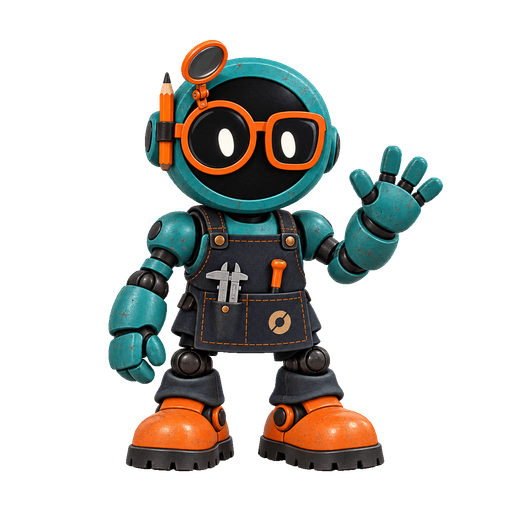
Use the uploaded image as the central subject, object, group, or dominant motif inside a completed cinematic light tunnel.

Preserve the subject exactly as it appears in the uploaded image, including its colors, materials, textures, surface qualities, and defining visual traits. Do not reinterpret or change the subject’s appearance.

Lighting, color effects, glow, and reflections should only affect how light interacts with the subject, not alter its base color or material. The subject should look the same throughout the scene, as if it has been placed directly into the environment.

If multiple subjects are present, preserve each one consistently. If no clear subject exists, preserve the dominant visual look, color palette, and material style of the uploaded image.

Create a cinematic tunnel of light leading toward the subject. Include beams, haze, reflections, neon streaks, glass elements, or abstract light structures.

Framing: deep central perspective, ultra-wide lens, strong vanishing point aimed at the subject.

Lighting: intense forward beams, colored strobes, white flares, reflective highlights, volumetric haze.

Atmosphere: fast, immersive, high-energy, cinematic.

Color grading: dramatic contrast with vibrant lighting, while maintaining accurate subject color.

Specific detail: the subject remains visually stable and consistent at the end of the tunnel, acting as the fixed focal point.
Video prompt
Create a high-speed camera-dive video with continuous motion and no cuts.

The subject already exists at the end of the tunnel before the video begins and remains consistent throughout the shot.

Preserve the subject’s original appearance at all times, including its colors, materials, textures, and defining features. Do not change or reinterpret the subject during motion, lighting changes, or distortion effects.

The camera rapidly dives forward through beams, haze, reflections, and light streaks toward the subject. Foreground elements streak past with motion blur and lens flare.

As the camera approaches, speed ramps down smoothly and the subject becomes fully sharp and clear. The subject should feel stable and unchanged while the environment moves dynamically around it.

Lighting effects should behave naturally, illuminating the subject without altering its inherent look.

Audio/SFX: powerful forward whoosh, rushing air pressure, sub-bass acceleration, layered light streak sounds, rising synth tension, and a strong bass impact when the camera reaches the subject.

The final shot holds on a clean, stable hero frame of the subject, clearly visible and consistent with the original image.